If you are new to fitness, stepping into a gym can feel overwhelming.
There are machines everywhere, conflicting online tips, complicated routines and the quiet fear of doing something wrong. Many beginners think they need the perfect workout plan before they can start. But in reality, the best place to begin is much simpler.
You need to learn how your body is built to move.
Before you worry about advanced exercises, heavy weights or long training sessions, focus on the seven core movement patterns that show up in real life every day. These are the movements behind sitting down, standing up, lifting groceries, climbing stairs, carrying bags, picking up a child, pushing a door open and keeping your balance when life gets unpredictable.
When you master these movements, you do not just train to look fitter. You train to move with more confidence, build useful strength and create a foundation that can support you for life.
Quick Answer: What Are the 7 Core Moves Every Beginner Should Learn?
The seven core moves every beginner should master are the squat, hinge, lunge, push, pull, rotate or anti-rotate, and gait or carry.
Together, these movement patterns train your legs, hips, back, chest, shoulders, core, grip and balance. They also help you build strength that transfers into daily life, not just the gym.
Major health organisations such as the CDC, WHO and NHS recommend strength training for all major muscle groups at least two days per week. For beginners, learning these seven patterns is one of the most practical ways to make strength training easier to understand, safer to progress and more useful in real life.
Not sure whether personal training would be worth the investment for you?
Take our personal trainer self-assessment to evaluate your current training competence and independence.
Why Beginners Should Focus on Movement Patterns First
A common beginner mistake is trying to copy random exercises without understanding the movement behind them.
One day it is a leg machine. Another day it is a glute exercise from social media. Then a cable movement, a circuit class or a workout that was designed for someone with a completely different body, goal and training history.
None of these things are automatically bad. But without a clear foundation, training quickly becomes confusing.
Movement patterns make fitness simpler.
Instead of asking, “Which exercise should I do today?” you start asking, “Am I training the movements my body actually needs?”
This matters because good training is not only about burning calories. It is about building strength, coordination, control and confidence. Harvard Health describes functional fitness as training that helps you carry out daily activities more easily and confidently. That is exactly why these seven patterns are so valuable for beginners.
At Fit with Rozzie, this is also why beginner coaching starts with structure, technique and progression. If you are not sure how to build a full plan around your level, schedule and goals, our personal training in Dubai can help you learn the right movements safely instead of guessing your way through workouts.
The Problem With Modern Fitness: Too Much Complexity, Not Enough Foundation
Many people spend long hours sitting, driving, working at a laptop or scrolling on their phone. Over time, this can contribute to tight hips, weak glutes, rounded shoulders, stiff backs and a general feeling that the body does not move as freely as it should.
The solution is not always to train harder.
Very often, the better first step is to train smarter.
If you add heavy weights, fast movements or intense workouts on top of poor movement control, your body may compensate. That does not mean you should be afraid of training. It simply means your foundation matters.
The seven core movements help you rebuild that foundation step by step. They teach your joints, muscles and nervous system how to work together so your training feels more controlled, more balanced and more connected to real life.
The 7 Core Moves
1. The Squat: The Sit-Down Pattern
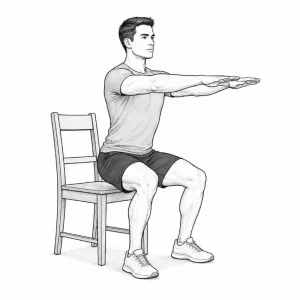
The squat is one of the most important movements a beginner can learn because you already use it every day.
You squat when you sit down on a chair, get up from the sofa, use the toilet, reach toward a low shelf or lower your body toward the ground. In training, the squat builds strength through your thighs, hips, glutes and core.
What it is:
A squat is a controlled bend through your hips, knees and ankles, similar to sitting down and standing back up.
Why it helps:
It strengthens the front and back of your legs while teaching your hips, knees and torso to move together with control.
Why it matters:
A good squat makes everyday actions easier: standing up from a low sofa, getting in and out of your car, picking something up from a lower surface or moving more confidently through daily life.
Start here:
Begin with a bodyweight chair squat. Stand in front of a sturdy chair, lower your hips until they lightly touch the chair, then stand back up with control.
Coach tip:
Do not worry about going very low at the beginning. Focus first on balance, smooth control and keeping your knees moving in the same direction as your toes.
2. The Hinge: The Pick-Up Pattern
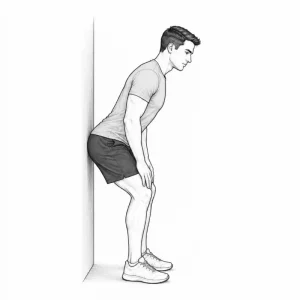
The hinge is one of the most misunderstood beginner movements.
Many people bend from their back when they pick something up. A good hinge teaches you to move from your hips instead. This helps your glutes and hamstrings do more of the work, while your lower back stays better supported.
What it is:
A hinge means pushing your hips backward while keeping your spine long and controlled. Your knees bend slightly, but the main movement happens at the hips.
Why it helps:
It trains your glutes, hamstrings and back-body control. It is also the foundation for exercises like Romanian deadlifts, deadlifts and many athletic movements.
Why it matters:
You use this pattern when lifting groceries, picking up luggage, carrying boxes or leaning forward to reach something. Learning to hinge well can help reduce unnecessary strain during lifting tasks.
Start here:
Try a wall hip hinge. Stand with your back about 15 to 20 cm away from a wall. Push your hips backward until your glutes gently touch the wall, then return to standing.
Coach tip:
If you mostly feel your lower back, reduce the range and slow down. You should feel your hips moving backward and your hamstrings gently lengthening.
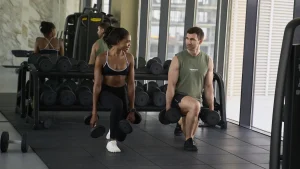
3. The Lunge: The Step and Balance Pattern
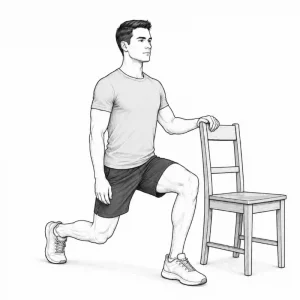
Life does not happen with both feet perfectly next to each other.
You step forward, step back, climb stairs, change direction, step over things and catch your balance when the ground is uneven. Lunges prepare your body for that reality.
What it is:
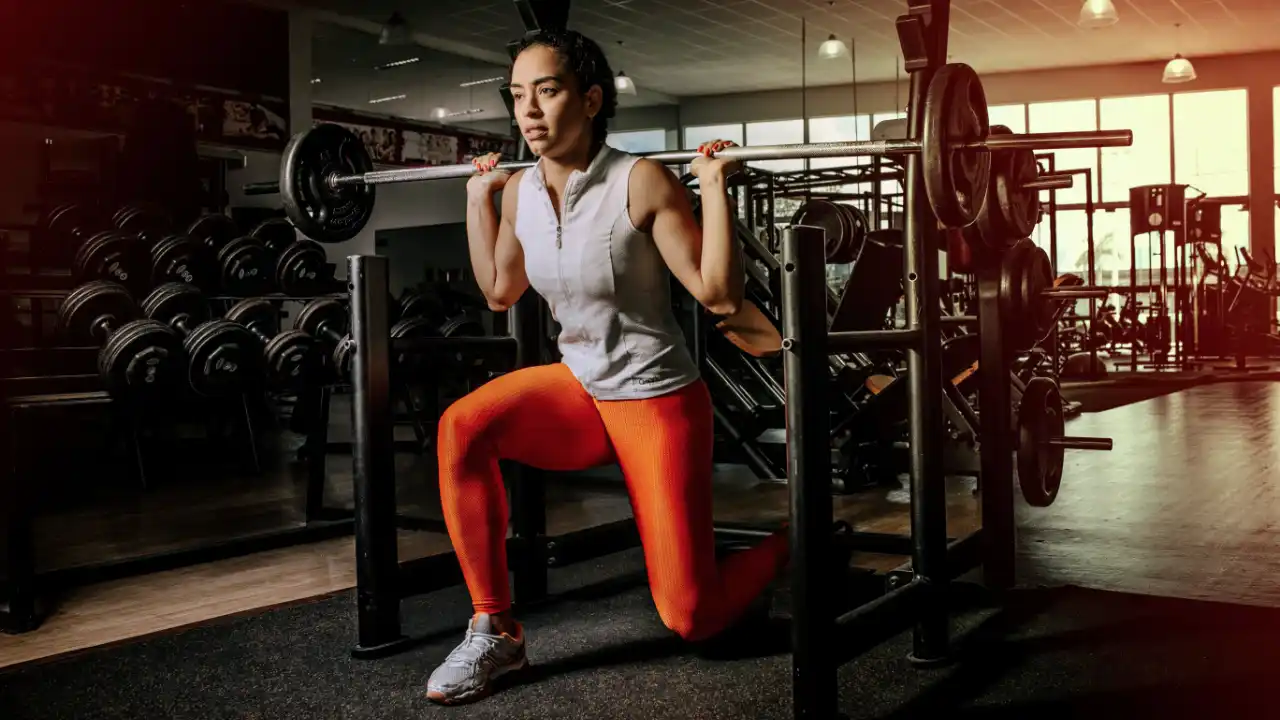
A lunge is a split-stance movement where one leg works in front or behind the other while your body lowers and rises with control.
Why it helps:
Lunges train each leg individually. This helps improve balance, coordination and left-right strength differences.
Why it matters:
If one side of your body is weaker or less stable than the other, daily movements can feel uneven. Lunges help you build more control when walking, climbing stairs, stepping over obstacles or moving quickly.
Start here:
Start with a supported reverse lunge or supported split squat. Reverse lunges are often more beginner-friendly because stepping backward can feel more controlled than stepping forward.
Coach tip:
Use a wall, chair or rail for support if needed. Support is not cheating. It helps you learn the pattern safely before adding more difficulty.
4. The Push: The Reach-Away Pattern
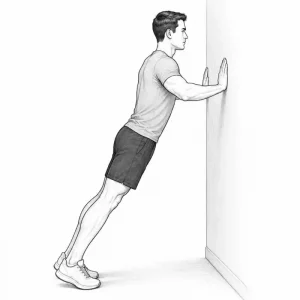
Pushing is any movement where you move your body or an object away from you.
You push when you open a heavy door, get up from the floor, move furniture, push a stroller or press something overhead. In training, pushing movements strengthen the chest, shoulders, triceps and core.
What it is:
A push can be horizontal, like a push-up, or vertical, like an overhead press.
Why it helps:
It builds strength through the chest, shoulders and arms while teaching the trunk to stay stable.
Why it matters:
Pushing strength supports everyday upper-body tasks, especially movements where you need to reach, press, support yourself or control your body weight.
Start here:
Begin with wall push-ups or incline push-ups. The higher your hands are, the easier the movement becomes. Over time, you can lower the height as your strength improves.
Coach tip:
Keep your body in one long line. Avoid letting your hips drop or your shoulders shrug up toward your ears.
5. The Pull: The Bring-Close Pattern
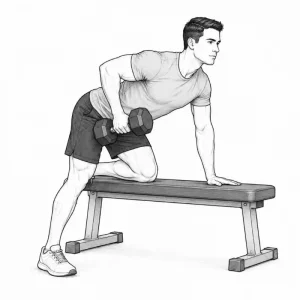
Pulling is the opposite of pushing.
You pull when you open a heavy door, pull a suitcase, carry shopping bags, row something toward you or pull your body upward. Pulling movements train the back, biceps, grip and postural muscles.
This pattern is especially important for modern life because many people spend long hours sitting, texting, driving or working at a laptop. Balanced pulling work can help strengthen the muscles that support a more open and controlled upper-body position.
What it is:
A pull means bringing resistance toward your body or bringing your body toward a fixed object.
Why it helps:
Pulling strengthens your upper back, lats, rear shoulders, biceps and grip.
Why it matters:
Many beginners naturally do more pushing than pulling. Adding pulling work helps balance your upper-body training and supports better shoulder and back strength.
Start here:
Try a dumbbell bent-over row, resistance band row or cable row. Choose a version where you can control the movement without swinging.
Coach tip:
Think about pulling your elbows back, not just pulling with your hands. Keep your neck relaxed and avoid rushing the movement.
6. Rotate and Anti-Rotate: The Spine-Control Pattern
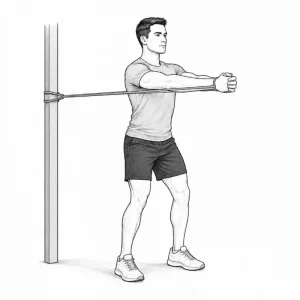
Many beginners think core training means crunches.
But your core does much more than bend your spine. One of its most important jobs is to control movement. Sometimes your body needs to rotate. Other times it needs to resist rotation so your spine and pelvis stay stable.
This is why anti-rotation training is so valuable.
What it is:
Rotation means turning through your trunk. Anti-rotation means resisting a force that tries to twist you.
Why it helps:
It trains your core to connect your hips, ribcage and shoulders while your body moves or resists movement.
Why it matters:
You use this pattern when carrying uneven loads, changing direction, lifting, reaching or keeping balance during daily movement. It helps you feel more stable and controlled.
Start here:
Try a Pallof press with a resistance band or cable. Stand sideways to the band, press your hands forward and resist the pull trying to twist your body.
Coach tip:
The goal is not to look dramatic. The goal is to stay still. If your torso rotates or your shoulders tense up, reduce the resistance.
7. Gait and Carry: The Full-Body Real-Life Pattern
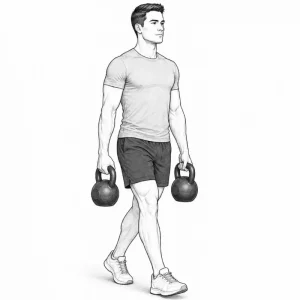
Walking is one of the most basic human movements, but adding load turns it into a powerful full-body exercise.
Carries train grip strength, posture, core stability, shoulders, hips, legs and breathing control at the same time. They also feel practical because they resemble real life. Carrying shopping bags, luggage, a child, work equipment or heavy household items all require your body to stay organised while moving.
What it is:
A carry means walking while holding weight. This could be one weight on one side, two weights by your sides, a front-loaded weight or another safe variation.
Why it helps:
It trains your grip, shoulders, trunk, hips and legs as one connected system.
Why it matters:
Carries build practical strength you can feel immediately in daily life. They also teach posture and core control while you are moving, not just standing still.
Start here:
Try a farmer’s carry. Hold one dumbbell or kettlebell in each hand, stand tall and walk slowly for 20 to 30 seconds.
Coach tip:
Do not rush. Walk with control, keep your shoulders relaxed and avoid leaning backward or side to side.
How to Turn These 7 Moves Into a Beginner Workout
You do not need to train every movement with heavy weights from day one.
Start with simple versions, repeat them consistently and progress only when your technique feels controlled.
| Movement Pattern | Beginner Exercise | Simple Starting Point |
|---|---|---|
| Squat | Chair Squat | 2 to 3 sets of 8 to 10 reps |
| Hinge | Bodyweight Hip Hinge | 2 to 3 sets of 8 to 10 reps |
| Lunge | Supported Reverse Lunge | 2 to 3 sets of 6 to 8 reps per side |
| Push | Wall or Incline Push-Up | 2 to 3 sets of 8 to 12 reps |
| Pull | Band Row or Dumbbell Row | 2 to 3 sets of 8 to 12 reps |
| Rotate / Anti-Rotate | Pallof Press | 2 to 3 sets of 8 to 10 reps per side |
| Gait / Carry | Farmer’s Carry | 2 to 3 walks of 20 to 30 seconds |
For many beginners, this can become a simple full-body workout 2 to 3 times per week. Keep the effort moderate at first. You should finish feeling like you trained, not like you destroyed yourself.
The Mayo Clinic explains that strength training can help maintain and increase muscle mass and strength as we age. That does not mean every beginner needs an advanced gym plan. It means simple, consistent resistance training has real value when it is done well.
If your biggest challenge is staying consistent, you may also find this guide useful: How to Build a Fitness Routine That Actually Sticks.
Common Beginner Mistakes to Avoid
The seven core movements are simple, but simple does not always mean easy. Most beginners make better progress when they avoid these common mistakes.
Going too heavy too soon:
Weight only helps if you can control it. Learn the movement first, then add resistance gradually.
Rushing the lowering phase:
Dropping quickly into a squat, lunge or hinge often removes control. Try lowering slowly for 2 to 3 seconds before standing back up.
Skipping pulling movements:
Many beginners do more pushing than pulling. Balanced upper-body training should include both.
Ignoring single-leg work:
Lunges and split-stance exercises often expose balance issues and side-to-side differences. That is useful information, not a reason to avoid them.
Treating core training as only abs:
Your core should help you control your spine, pelvis and ribcage while your body moves. Anti-rotation work is often more useful for beginners than endless crunches.
Changing the workout every week:
Progress needs repetition. If you change everything all the time, it becomes harder to learn, measure and improve.
The Fit with Rozzie Perspective
At Fit with Rozzie, we do not believe beginners need random workouts.
They need clear coaching, proper technique, realistic progression and a plan that fits their life. For some clients, that means learning the basics at home. For others, it means using a building gym, private gym or another suitable training space in Dubai.
The goal is not to make exercise feel intimidating. The goal is to help you understand your body, build confidence and know why each movement matters.
If you are a beginner, returning after a break or unsure whether your current training is actually working, our article on why you may not be seeing results at the gym is a useful next read.
And if your goal is to stay strong, mobile and independent as you age, these same seven movement patterns remain important. They can simply be adapted to your ability, joints, confidence and training history through active aging and mobility coaching.
Beginner Action Plan: Start With This
This week, choose one simple version of each movement:
- Squat: chair squat
- Hinge: bodyweight hip hinge
- Lunge: supported reverse lunge
- Push: wall push-up
- Pull: band row or dumbbell row
- Rotate or anti-rotate: Pallof press
- Carry: farmer’s carry
Practice them slowly. Keep the effort moderate. Focus on control before intensity.
You do not need a perfect workout. You need a repeatable starting point.
FAQ
What are the 7 core movement patterns?
The 7 core movement patterns are squat, hinge, lunge, push, pull, rotate or anti-rotate, and gait or carry. Together, they train the major ways your body moves in real life.
How often should beginners train these movements?
Many beginners do well with 2 full-body strength sessions per week. This matches major health guidelines that recommend strengthening activities for all major muscle groups on at least 2 days per week.
Are machines or free weights better for beginners?
Both can be useful. Machines can help beginners feel stable, while bodyweight exercises, free weights and resistance bands often teach more coordination. The best choice depends on your confidence, goal, ability and technique.
Can I do these exercises at home?
Yes. Most of these movements can be practiced at home with bodyweight, resistance bands, dumbbells or simple household-friendly equipment. They also work well in a building gym or private training setup.
Do I need a personal trainer to learn these movements?
Not always, but a good trainer can help you learn proper technique faster, avoid common mistakes and adapt each movement to your body. This is especially helpful if you are a complete beginner, have previous injuries or feel unsure in the gym.
Final Takeaway
The best beginner workout is not the most complicated one.
It is the one that teaches your body how to move well, builds confidence and gives you a foundation you can progress from.
Master the squat, hinge, lunge, push, pull, rotate or anti-rotate, and carry. These seven core moves will help you train with more control, move with more confidence and build strength that supports real life.
If you want help learning these movements with proper technique, structure and progression, Fit with Rozzie can support you with private, beginner-friendly coaching in Dubai.
Scientific Sources & Clinical References
CDC: Adult Physical Activity Guidelines
WHO: Physical Activity Recommendations
NHS: Physical Activity Guidelines for Adults
Harvard Health: Three Moves for Functional Fitness
Mayo Clinic: Strength Training: Get Stronger, Leaner, Healthier