You show up to the gym. You sweat. You try to eat better. You tell yourself this time will be different.
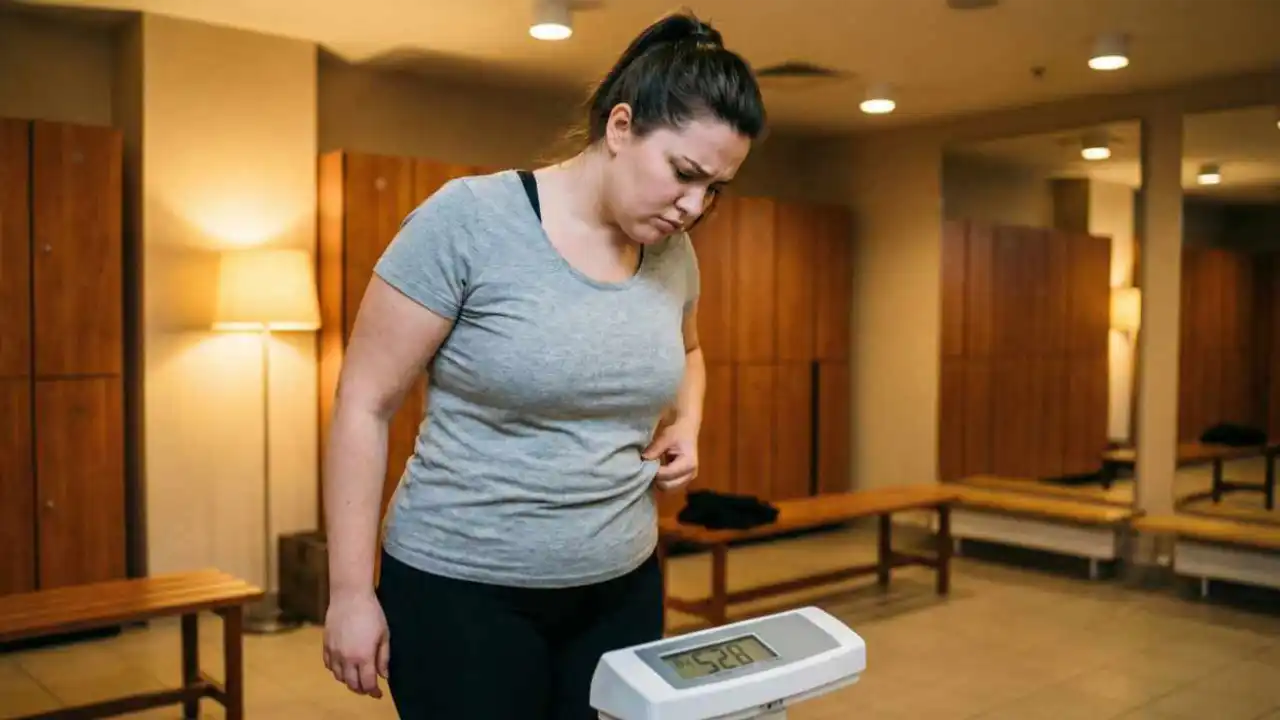
But weeks go by and the scale barely moves. Your body looks the same. Your clothes fit the same. Maybe your strength is not improving either.
That frustration is real.
But it does not automatically mean you are lazy, undisciplined or “bad at fitness.” In most cases, stalled progress comes from a few missing fundamentals. Your training may lack progression. Your nutrition may not match your goal. Your sleep may not be giving your body enough recovery. Or your stress and lifestyle may be making consistency harder than it needs to be.
The answer is usually not to punish yourself with more workouts. It is to build a clearer system.
Quick Answer: Why Am I Not Seeing Results at the Gym?
If you are not seeing results at the gym, the most common reason is not lack of effort. It is usually a mismatch between your training, nutrition, recovery and expectations.
You may be training regularly, but not progressively. You may be eating healthy foods, but still not matching your calories and protein to your goal. You may be working hard in sessions, but sleeping too little for your body to recover and adapt.
Real progress comes from four things working together: structured training, enough challenge, goal-matched nutrition and proper recovery.
When one of those is missing, progress often stalls.
You Are Training, But Not Progressing
Many people train consistently but stay in the same comfort zone.
They use the same weights, the same machines, the same reps and the same pace for months. The workout feels familiar. It may even feel tiring. But it no longer gives the body a strong enough reason to change.
Your body adapts to the stress you place on it. If the stress never changes, your progress slows down.
This is where progressive overload matters.
Progressive overload means gradually making your training more challenging over time. That can mean lifting more weight, doing more reps, slowing the tempo, improving your range of motion, adding another set or improving control with the same load.
The key is that progression should be planned, not random.
For example, if you have been using the same dumbbells for squats, rows or presses for months, your body may have already adapted. You do not always need a completely new exercise. You may need a better progression.
A better approach:
- Track your main exercises.
- Keep key movements consistent for several weeks.
- Make the last few reps challenging, but controlled.
- Increase load, reps or control gradually.
- Stop judging workouts only by sweat or soreness.
A workout does not need to destroy you to be effective. It needs to create a clear stimulus your body can adapt to.
You Do Not Have a Structured Workout Plan
Walking into the gym without a plan can feel flexible, but it usually creates inconsistency.
One day you train legs. The next day you do arms. Then you copy a workout from Instagram. Then work gets busy and you miss a week. After a month, there is no clear pattern and no way to measure progress.
That is not a discipline problem. It is a system problem.
A structured plan tells you what you are training, why you are training it and how you will progress. It removes guesswork.
This matters especially if your schedule is already full. If your work, family life and social commitments are unpredictable, your fitness plan needs to be even clearer, not more random.
A good workout plan should include:
- A weekly training schedule you can realistically follow.
- Exercises matched to your goal and current level.
- Clear sets, reps and rest periods.
- Progression targets.
- Recovery days.
- Adjustments for busy weeks, travel or low-energy days.
For many people, two to three well-structured strength sessions per week can be enough to create meaningful progress when done consistently.
The World Health Organization recommends muscle-strengthening activities involving major muscle groups at least two days per week for adults. That does not mean everyone needs to live in the gym. It means strength training should be consistent, purposeful and repeated often enough to matter.
If every session looks different and you have no way to compare this month to last month, you are training blind.
This is also where structured coaching can help. With personal training in Dubai, your workouts are not random sessions. They are part of a clear plan built around your body, goal, schedule and current training level.
If you are unsure whether the problem is your training approach, consistency or lack of guidance, our personal trainer self-assessment can help you identify where additional support may be useful.
You Are Not Matching Nutrition to Your Goal
Many people say, “I eat healthy,” but healthy eating and goal-matched nutrition are not always the same thing.
You can eat clean foods and still eat more calories than your body needs for fat loss. You can train hard and still eat too little protein to support muscle growth. You can skip meals all day and then overeat at night because your hunger finally catches up.
Your body responds to energy balance, protein intake, food quality and consistency. It does not respond to effort alone.
This is why nutrition tracking can be useful, even if you do not want to track forever.
You may not need to count every calorie long term. But if you have no idea how much you currently eat, how much protein you get or how often delivery food, snacks, sauces and drinks add up, you are guessing.
For fat loss, you need a sustainable calorie deficit. For muscle gain, you need enough food, enough protein and a strong enough training stimulus. For body recomposition, where you lose fat and build muscle at the same time, nutrition needs to be even more consistent. You can read more about this in our guide to weight loss vs clean muscle gain.
Protein is especially important. The International Society of Sports Nutrition position stand on protein and exercise notes that many exercising individuals benefit from higher protein intakes than sedentary adults, especially when strength training and body composition are goals.
A practical starting point:
- Include protein with every main meal.
- Build meals around vegetables, quality carbohydrates and healthy fats.
- Watch hidden calories from sauces, snacks, drinks and frequent delivery meals.
- Avoid saving most of your food for late evening.
- Track for a short period if your progress has stalled and you are unsure why.
Use our free Calorie, BMR & TDEE Calculator to compare your current intake with a realistic starting estimate.
For many clients, progress improves when nutrition becomes less random. Not stricter. Just clearer.
If this is where you feel stuck, nutrition coaching in Dubai can help you build a structure that fits your training, lifestyle and food preferences without relying on extreme dieting.
Feeling stuck despite training regularly?
Book your free consultation with Fit with Rozzie and get a realistic training and nutrition strategy built around your body, schedule and goals.
You Are Not Sleeping Enough to Recover
Training creates the stimulus. Recovery is where adaptation happens.
If you train hard but sleep poorly, your body has less capacity to repair, build strength, regulate hunger and perform well in the next session.
This is one of the most overlooked reasons people stop seeing results. They assume the answer is more training, when the body actually needs better recovery.
Poor sleep can affect energy, mood, appetite, concentration and training performance. The CDC explains that adults generally need seven or more hours of sleep per night, although individual needs can vary.
Signs recovery may be holding you back:
- You feel tired before most workouts.
- Your performance is getting worse.
- You are sore for too many days.
- You crave sugar or caffeine constantly.
- You feel unmotivated even when you care about your goal.
- You train hard but feel physically flat.
This does not mean you need perfect sleep every night. But if you are regularly sleeping five to six hours while increasing training intensity, your results will probably suffer.
A better recovery foundation:
- Aim for enough sleep to feel rested and functional.
- Keep sleep and wake times reasonably consistent.
- Avoid intense late-night training if it affects sleep.
- Reduce screens, heavy meals and work stress close to bedtime where possible.
- Treat rest days as part of the plan, not as failure.
You do not get stronger because you destroy yourself in the gym. You get stronger because your body recovers and adapts.
You Are Chasing the Wrong Goal
Some people do not fail because they lack effort. They fail because the goal is unrealistic, vague or based on someone else’s body.
“I want to get fit” is not a clear goal. “I want to lose weight fast” creates pressure without structure. “I want to look like this influencer” is often unfair because you do not know their genetics, training history, lifestyle, editing, lighting or possible enhancements.
Social media has made many people underestimate how long real change takes.
A better goal is personal, measurable and connected to your actual life.
For example:
- Lose 4 to 6 kg over 12 weeks while maintaining strength.
- Train three times per week for the next eight weeks.
- Increase your hip thrust, squat or row strength gradually over two months.
- Improve energy and consistency before pushing aggressive fat loss.
- Build a nutrition routine that works around work, travel and social meals.
Progress becomes easier when the target is clear.
It also helps to track more than the scale. Body measurements, clothes fit, strength, energy, posture, confidence and consistency can all show progress before the mirror fully catches up.
If the only measure of success is daily scale weight, you may miss many signs that your body is changing.
Stress Is Quietly Working Against You
Stress does not cancel results by itself, but chronic stress can make consistency much harder.
High stress can affect sleep, cravings, energy, digestion, mood, motivation and recovery. It can also push people into an all-or-nothing pattern: perfect for three days, overwhelmed for four, then starting again on Monday.
For Dubai professionals and busy parents, this is common. Long workdays, traffic, travel, business dinners, family responsibilities and constant availability can make health routines feel fragile.
The answer is not always “push harder.”
Sometimes the better strategy is to reduce friction.
That might mean shorter workouts, home personal training, a simpler nutrition structure, more realistic steps or fewer intense sessions during a high-pressure work period.
The American Psychological Association explains that stress can affect several body systems, including the nervous, endocrine, gastrointestinal and musculoskeletal systems. In real life, that often shows up as worse sleep, more cravings, less patience, more fatigue and weaker consistency.
If stress is high, your plan needs to become more sustainable, not more extreme.
Practical stress-proofing strategies:
- Keep a minimum workout option for busy weeks.
- Prepare two simple go-to meals.
- Use walking as low-pressure movement.
- Avoid punishing workouts after overeating or missing sessions.
- Build routines that survive imperfect weeks.
Fitness progress depends on what you can repeat. Not what you can do once when life is perfect.
Common Fitness Progress Mistakes
Most plateaus are not caused by one dramatic mistake. They usually come from several small issues happening at the same time.
Chasing fatigue instead of performance
A workout is not automatically better because you feel destroyed afterwards. Soreness and sweat are not the same as progress. Look at strength, control, consistency and progression.
Changing workouts too often
If every session is different, it becomes difficult to track improvement. Variety has a place, but your main exercises should stay consistent long enough to measure progress.
Overcompensating with food
A hard workout does not cancel unlimited snacks, drinks or delivery meals. Many people unknowingly eat back more than they burn.
Ignoring daily movement
One gym session does not fully offset a completely sedentary day. Steps, walking and general movement still matter for energy expenditure and health.
Only tracking scale weight
Scale weight can fluctuate from water, food volume, hormones, sleep and training stress. Track strength, measurements, progress photos and clothes fit too.
The Fit with Rozzie Perspective
At Fit with Rozzie, we do not look at fitness as one isolated workout.
We look at the full system: your training, nutrition, recovery, schedule, stress, location, preferences and accountability.
Many people do not need more random exercises. They need a clearer plan and a coach who can identify the actual bottleneck.
For some clients, the missing piece is training intensity. For others, it is nutrition structure. For others, it is recovery, confidence, consistency or unrealistic expectations.
That is why a good coach should not only count reps. They should help you understand what is holding you back and adjust the plan around your real life.
If you want a structured approach, personal training in Dubai can help you train with purpose instead of guessing. And if trainer fit matters to you, you can also learn more about how we help clients find the right match through our personal trainer match page.
What to Do If You Feel Stuck
If your results have stalled, do not immediately assume you need a completely new routine.
Start with a simple audit.
Training: Are you following a structured plan and progressing over time?
Nutrition: Are your calories, protein and meals aligned with your goal?
Recovery: Are you sleeping enough and managing fatigue?
Consistency: Can your current plan survive busy weeks?
Expectations: Are your goals realistic for your body, schedule and training history?
Tracking: Are you measuring progress in more than one way?
Most people do not need a harder plan. They need a clearer one.
Final Takeaway
If you are not seeing results at the gym, it does not mean your effort is wasted.
It means something in the system needs adjusting.
Maybe your training needs more progression. Maybe your nutrition needs more structure. Maybe you need better sleep, less stress or a goal that actually fits your life.
Progress does not come from doing everything perfectly. It comes from doing the right things consistently enough for your body to adapt.
FAQ
Why am I not seeing results at the gym?
You may not be seeing results because your training lacks progression, your nutrition does not match your goal, your sleep is poor, your stress is high, or your plan is inconsistent. Most plateaus are not caused by laziness. They are caused by missing structure.
How long does it take to see gym results?
Many people notice better energy, strength and confidence within a few weeks. Visible body composition changes often take 8 to 12 weeks or longer, depending on training, nutrition, sleep, stress and consistency.
Do I need to track calories to see results?
Not always, but some level of nutrition awareness is important. If your goal is fat loss, muscle gain or body recomposition, understanding calories and protein can help you stop guessing and make better decisions.
Is training three times per week enough?
Yes, three well-structured strength sessions per week can be enough for meaningful progress for many people. The quality, consistency and progression of your sessions matter more than doing random workouts every day.
Why am I getting stronger but not losing weight?
You may be gaining muscle, retaining water from training, eating more than you realize, or not staying in a consistent calorie deficit. The scale is only one measure. Track strength, measurements, clothes fit and progress photos too.
Can a personal trainer help if I am stuck?
Yes. A good personal trainer can help you identify what is missing, build a structured plan, adjust your training, improve accountability and connect your workouts with nutrition and recovery.
Scientific Sources & Clinical References
World Health Organization. Physical Activity Guidelines. https://www.who.int/initiatives/behealthy/physical-activity
International Society of Sports Nutrition. Position Stand: Protein and Exercise. https://pubmed.ncbi.nlm.nih.gov/28642676/
Centers for Disease Control and Prevention. About Sleep. https://www.cdc.gov/sleep/about/index.html
American Psychological Association. Stress Effects on the Body. https://www.apa.org/topics/stress/body